
Cottonwood Heights City Police Records
Cottonwood Heights police records begin with the city's official police records page, which explains how to ask for a report through the online GRAMA form, by mail, or in person. If you are trying to get a police report, a copy of a case file, or a record tied to a recent call, the city page gives you the right starting point. It also explains how the department wants requests routed, which helps you avoid sending a records question to the wrong place. That makes the search more direct and keeps the request tied to the office that handles the records.
Cottonwood Heights Police Records Quick Facts
How to Request Cottonwood Heights Police Records
The official starting point is the Cottonwood Heights Police Records page. It says you can request police reports through the GRAMA online form, by mail with a completed GRAMA form, or in person. The page also gives the records office mailing and in-person address as Cottonwood Heights Police Records, 2277 E Bengal Blvd, Suite B, Cottonwood Heights, UT 84121. That gives you a clear local place to send the request if you do not want to rely on a general city contact page.
The same page gives an important warning. The police page is not monitored at all times, so it tells you to submit a police report through non-emergency dispatch at 801-840-4000, which operates 24/7. That is the right number if you need to report an incident or make sure the department receives the original call information. Once the documents are available, a specialist will contact the requester. That helps separate the live police report side from the records release side.
| Records office | Cottonwood Heights Police Records, 2277 E Bengal Blvd, Suite B, Cottonwood Heights, UT 84121 |
|---|---|
| Non-emergency dispatch | 801-840-4000 |
| Request methods | GRAMA online form, mail, or in person |
| General city phone | (801) 944-7000 |
The city page also references the fee schedule, which is useful because it tells you the city expects some requests to involve routine copy charges. You do not have to guess whether the request is treated as a report copy, a media copy, or a larger packet. The city's own page frames the process as a normal public-record request with a specialist review, and it tells you when to use dispatch versus when to wait for the records office to follow up.
This Utah GRAMA screenshot from Utah Code Title 63G, Chapter 2 is the right fallback source because Cottonwood Heights uses the statewide records law to classify and release police records.
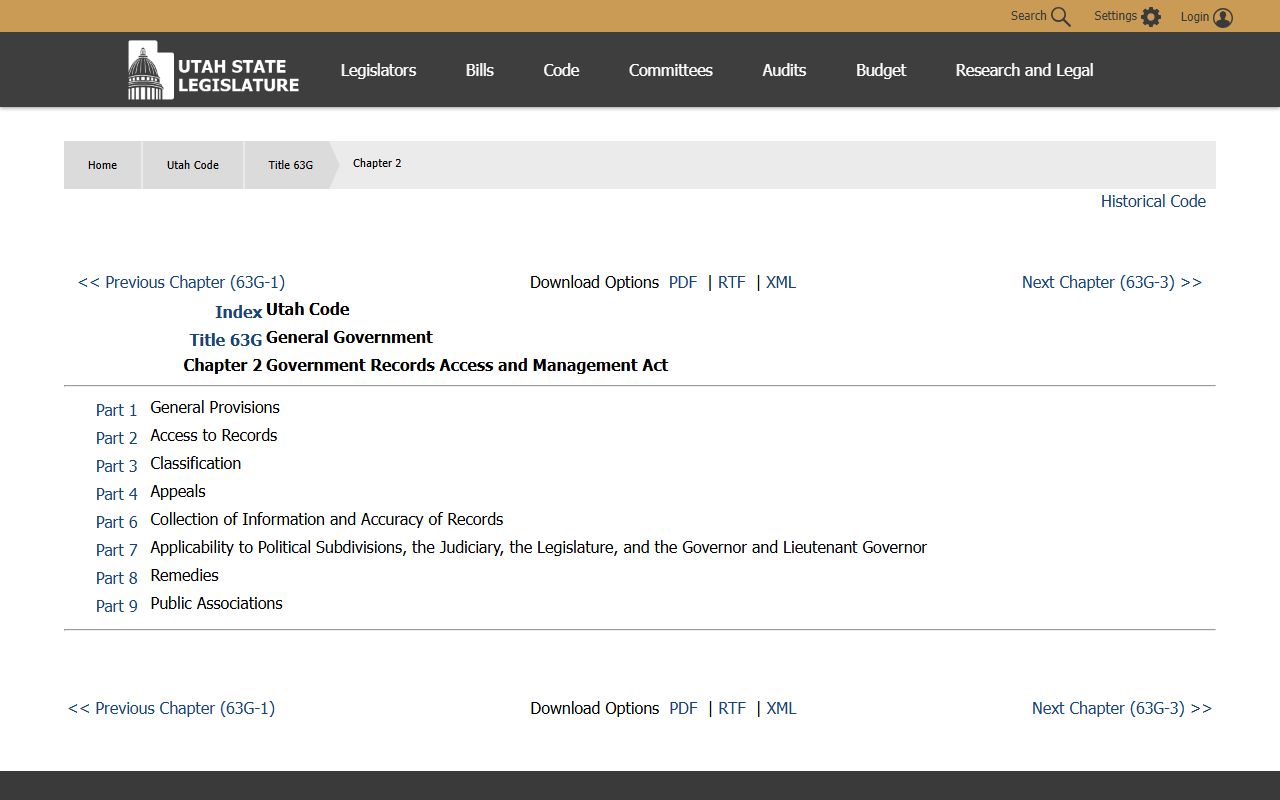
The Utah GRAMA image is the right fallback here because it shows the state records law that sits behind Cottonwood Heights police record release.
Cottonwood Heights Police Records and Dispatch Notice
Cottonwood Heights is very direct about the difference between a live police report and a records request. If you are reporting something new, call dispatch. If you are trying to get the record after the fact, use the records page. That split helps keep the request clean and keeps the department from missing a new call because it was sent to the wrong inbox. It also fits the way many city police departments handle records now, with dispatch handling live events and records staff handling the later copy request.
The city says a specialist will contact the requester once documents are available. That means the request does not end the moment you submit it. The records office still needs time to locate the file, check what can be released, and prepare the copy. If you call the records office or mail in a form, the city still wants you to use the exact office address listed on the page. That keeps the request in the correct local workflow instead of scattering it across city departments.
For a police records search, the address, the dispatch line, and the city records page all work together. You do not need a broad county search to begin. Cottonwood Heights already gives you the local office, the records page, and the non-emergency line that should receive the report first. That is usually the quickest way to move from a general question to a useful response.
Cottonwood Heights Police Records and Utah Release Rules
Utah GRAMA controls how Cottonwood Heights reviews and classifies police records, and the state law is the best backup when you want the broader release framework. The law explains why some information is public and why other information may stay private, controlled, or protected. That matters in a police record because the file often includes more than one kind of information. A single report can contain a public incident summary, a private contact detail, and a protected investigation note all in the same packet.
For that reason, it helps to think about the request in layers. The city page gives you the request route. The records office handles the copy. Utah GRAMA explains why certain parts of the record may be withheld or redacted. That is the cleanest way to understand the Cottonwood Heights process if you need the record for a personal file, an insurance matter, or a follow-up question about what happened during the incident.
The city page also tells you that a specialist will contact you once the documents are ready. That is a useful signal that the city is treating the request as a normal records transaction rather than a front-desk question. If the page asks you to use the online form, mail, or an in-person visit, it is because the records office wants the request in a documented channel that can be tracked through release.
This Utah State Courts image from Utah State Courts is a good official fallback when a Cottonwood Heights police record needs court follow-up or a docket check.
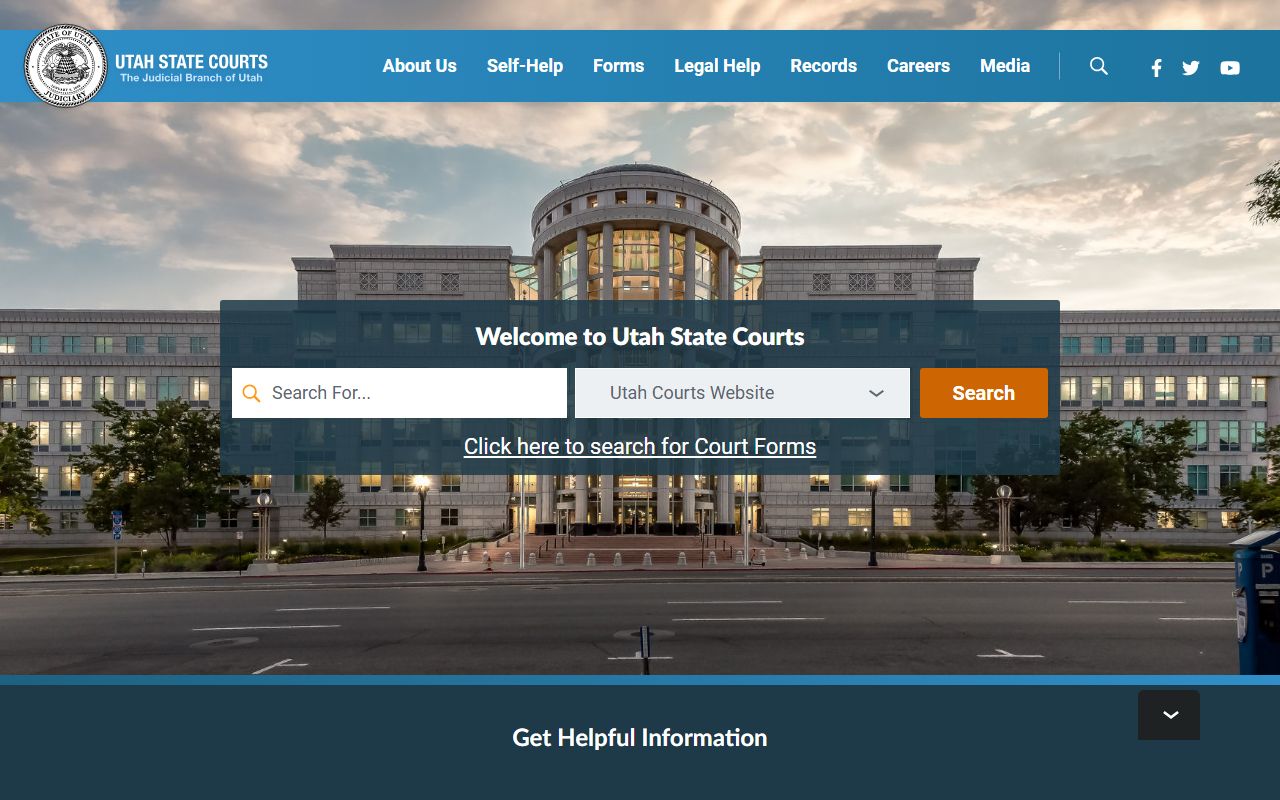
The Utah courts image is the right second fallback because it gives you an official court source if the police record becomes part of a filed case.
Cottonwood Heights Police Records and State Backup Sources
If you need a second official backup after the city page, Utah BCI is the next good place to check. That source is useful when the question shifts from a simple report copy to criminal records context or an issue that touches state record handling. Cottonwood Heights is still the main source for the police report itself, but the state pages help when the search widens beyond the city file.
The reason those state backups matter is simple. A police report can lead to a court filing, a criminal history question, or a need to understand how Utah treats release limits. The city page handles the local request. The state pages fill in the broader picture. That keeps the search grounded in official sources and avoids weak third-party record sites that may not match the city's actual process.
If the record you want is tied to a court matter, the courts site is the right follow-up. If you need broader criminal records context, BCI is the better state backup. Those two paths are not a replacement for the Cottonwood Heights police records office. They are the right second step when the report has already moved into a larger legal or records issue.
For Cottonwood Heights police records, that sequence is the safest one: city records page first, state law next, and court or criminal records follow-up only when the request really needs it.
More Cottonwood Heights Police Records Resources
Cottonwood Heights police records are clearest when you keep the request inside the city office and use state sources only for release or follow-up questions. The police records page gives you the request methods, the address, and the dispatch notice. Utah GRAMA explains the classification rules. Utah courts and Utah BCI help when the record moves beyond the city file.
| Cottonwood Heights Police Records | Official city page for report requests and records office contact |
|---|---|
| Utah GRAMA | State public records law for release and classification |
| Utah State Courts | Court follow-up if the record is tied to a case |
| Utah BCI Criminal Records | State criminal records reference for broader follow-up |
When you need the county view next, move to Salt Lake County police records. That county page is the right handoff when a Cottonwood Heights matter overlaps with county services or when you want the city and county paths side by side.
Salt Lake County Police Records
Cottonwood Heights sits in Salt Lake County, so the county page is the next step when you want the county-wide records picture or related sheriff resources. Use the county page when a Cottonwood Heights police matter overlaps with county services or when you want the broader county process next to the city process.
Nearby Utah Cities
These nearby city pages help if the record belongs to a different police department.