
Search Sevier County Police Records
Sevier County Police Records are usually easiest to trace when you start with the sheriff's office and then move to the county's public-records page or the court side if the matter turns into a case. Richfield is the county seat, so most of the record trail points back to a few county offices that already handle requests under Utah GRAMA. If you know the name, date, or report type, you can keep the search focused and avoid sending a broad request that has to be narrowed later. This page brings the main county contacts and follow-up tools into one place.
Sevier County Quick Facts
Sevier County Police Records Office
The Sevier County Sheriff's Office is the main local source for Sevier County Police Records. Sheriff Nathan J. Curtis lists the sheriff office at 835 East 300 North in Richfield, with phone (435) 896-2600 and fax (435) 896-6081. The office says that requests for incident reports, arrest records, and official documentation must go through formal channels. That is the first clue that the county expects a real records request, not a casual ask.
Jail information is available through the county's jail lookup service, which gives you a quick custody check before you send a written request. That matters because a recent booking and a full report are not the same thing. If you only need to know whether a person is in custody, the jail lookup can answer that faster than a records form. If you need the file itself, the sheriff office is still the best first stop.
The Utah GRAMA page is shown below because Sevier County says police-record access must go through formal channels under Utah law.
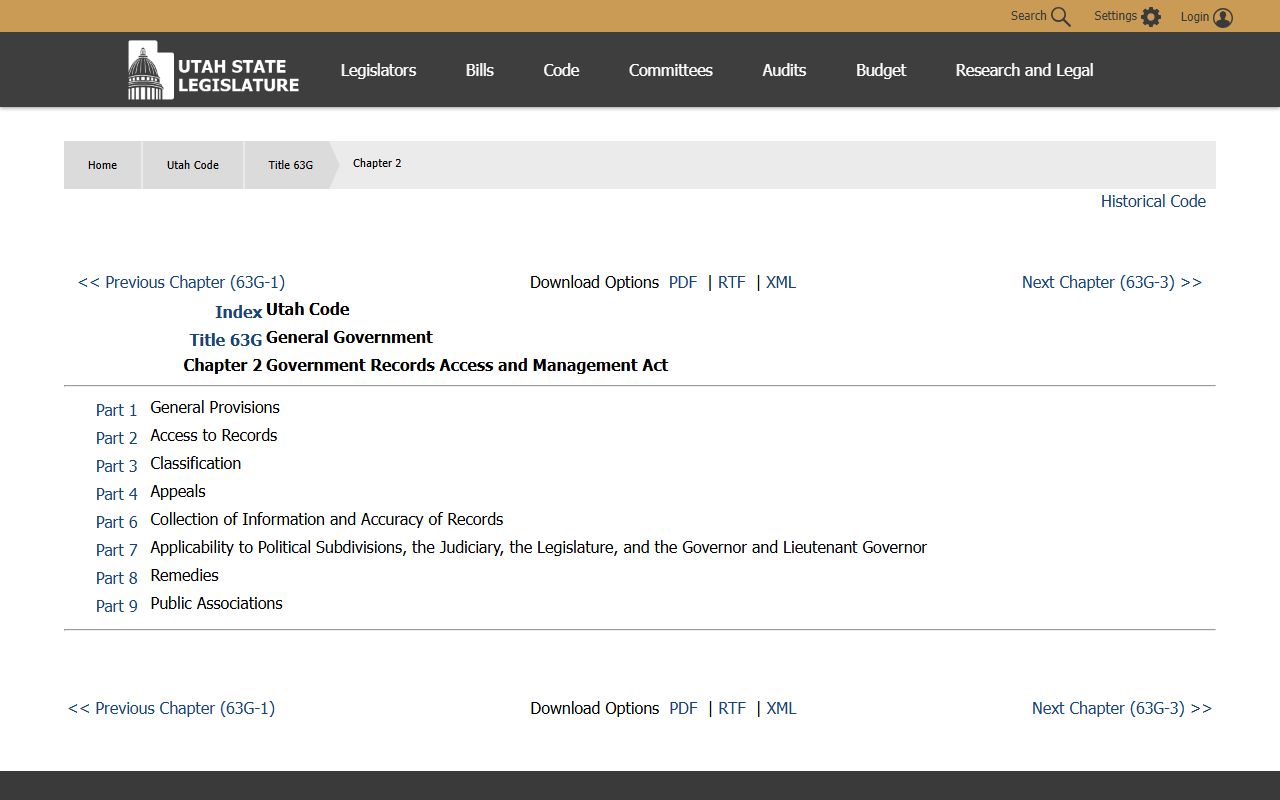
The Utah GRAMA image is a useful backdrop for Sevier County because the sheriff office says formal channels are required for police record access.
| Sheriff Office |
Sevier County Sheriff's Office 835 East 300 North Richfield, UT 84701 |
|---|---|
| Phone | (435) 896-2600 |
| Fax | (435) 896-6081 |
| Jail Info | Jail lookup service and formal sheriff channels |
Sevier County Police Records Requests
Sevier County keeps a separate public-records page that points users to the County Clerk and Auditor's Office. The page says GRAMA applies to records requests, and it lists the clerk office at 250 North Main Street in Richfield with phone (435) 893-0401. That matters because not every Sevier County police record lives with the sheriff. Some requests are routed through the county's broader records system, especially when the document is handled as a general public-record request.
The county's GRAMA policy adds more detail. A request must include the requestor's name, date, mailing address, daytime telephone number, and a reasonably specific description of the record requested. The county can charge reasonable fees for copies and compilation time, and it does not have to create a new record form just because a requester wants one. That is standard public-record law, but it is useful to know before you ask for a report that may require some review.
The Utah Courts page is shown below because a Sevier County incident can quickly move from the sheriff side into a public court file.
The Utah courts image helps show where a county incident may later turn into a public case file.
Include these items in a Sevier County request:
- Your full name
- The date of the incident or a tight date range
- Your mailing address and daytime phone number
- A specific description of the record you want
Note: Sevier County asks for reasonably specific requests, so a narrow date and a clear record type usually save time.
Sevier County Police Records and Jail Access
Jail access and arrest records are linked but not the same. In Sevier County, the sheriff office directs people to its jail lookup service for custody information, which is helpful when you only need to confirm that a person was booked or is still in custody. If you need the underlying incident report or arrest record, the sheriff says that those requests must go through formal channels. That is the point where the jail lookup ends and the written request begins.
This separation keeps the county process tidy. The jail page can answer a quick custody question. The sheriff office can route a formal request. The records page can tell you which office owns the broader request. If you keep those jobs separate, your search is easier to manage and the county has less to sort out on your behalf.
For a recent arrest, start with the jail lookup service and the sheriff's office. For a report, move to the formal request path. For a court matter, check the court side. That is the fastest way to keep Sevier County Police Records organized and local.
Sevier County GRAMA Policy
The Sevier County GRAMA policy gives the clearest statement of how the county treats public records. It says the request should identify the record with reasonable specificity, and it lists the requestor details that must be provided. It also says private, controlled, protected, and exempt records follow strict statutes concerning access. That is the county's reminder that not every line in a file is open to the public, even when the record itself can be released in part.
The policy also notes that the county may charge reasonable fees for copies and compilation time. That matters when you are asking for a longer incident packet or a file that has to be assembled from more than one place. The county is not required to create a new form of record if it does not already exist. In practice, that means you should ask for the record as the county keeps it, not as you wish it had been organized.
Sevier County Police Records requests work best when you treat the policy as a checklist. Give the county the details it asks for, keep the request narrow, and be ready for fees if copying or compilation takes time. That keeps the process predictable and gives the office a fair shot at finding the right file. Utah GRAMA at Utah Code Title 63G, Chapter 2 is the state-level rule behind that process.
Sevier County Courts and State Help
If a Sevier County arrest or citation becomes a court case, the Utah Courts site is the right follow-up. It is the official place to look for case tools and public court information, and it helps connect a county report to the later judicial record. That is important because a police record and a case file are not the same document, even though they belong to the same event.
The Utah State Archives is another useful backstop when a record has aged out of the active county office. Older records often move into long-term storage, and the archive can help you understand where to look next. If the record has been sealed or restricted, the statewide record system is also the place to keep checking after the county has finished its part.
For Sevier County Police Records, the most practical order is sheriff office, public-records page, GRAMA policy, and then state court or archive tools if the file has moved on. That sequence keeps the search focused and saves you from asking the wrong office for the wrong paper.