
Find Daggett County Police Records
Daggett County police records start at the sheriff's office in Manila, where the county keeps the main public safety contacts, records links, and request routes. If you need a report, a records request path, or a place to start on a county file, the sheriff's page and the county's official records system are the best first stops. Daggett County is small, but the records trail still runs through clear offices and clear forms. Use this page to see where to ask, what to look for, and how local records connect to Utah GRAMA and state law.
Daggett County Quick Facts
Daggett County Police Records Office
The main sheriff page at Daggett County Sheriff's Office shows the office that sits at the center of Daggett County police records and daily law enforcement work. Sheriff Erik Bailey leads a small staff that includes Leonard Isaacson, Joseph Harrison, Jayden Guymon, and Katie Anderson. The office uses a physical address in Manila, a post office box, and a direct phone line, so residents can reach it without guessing which county department handles a request.
The office details matter because Daggett County handles more than just patrol work. The sheriff's office also lists safety programs, Dominion Energy security, and winter security checks. Those services show how local police records and incident response fit into a larger public safety role. If you are trying to trace a report or confirm whether an issue was handled by the county, start with the sheriff's office contact page and then move to the records pages that match the request. The site also notes that the county jail is no longer open, which helps narrow where current custody or booking questions should go.
The sheriff's office sits at 590 S Sheriff's Way, PO Box 219, Manila, UT 84046. The main phone is 435-784-3255 and the fax is 435-784-3251. Dispatch is handled through Consolidated Dispatch in Vernal at 435-789-4222, and office hours are Monday through Friday from 8 a.m. to 5 p.m. Those details are useful when you need to call first, ask about a report, or confirm whether a file has to be requested in person. Daggett County police records are small in scale, but the office keeps the workflow simple.
Read the main office page first if you need a broad local picture. It is the county's cleanest signpost for who handles patrol, records, and the forms that sit behind a request. The page also helps confirm that you are dealing with the right public safety office before you start asking for documents.
The county sheriff page at Daggett County Sheriff's Office is the best place to begin when you need police records and want to keep your search local.
The Daggett County sheriff office page is shown below because it is the main local source for office contacts and public safety links.
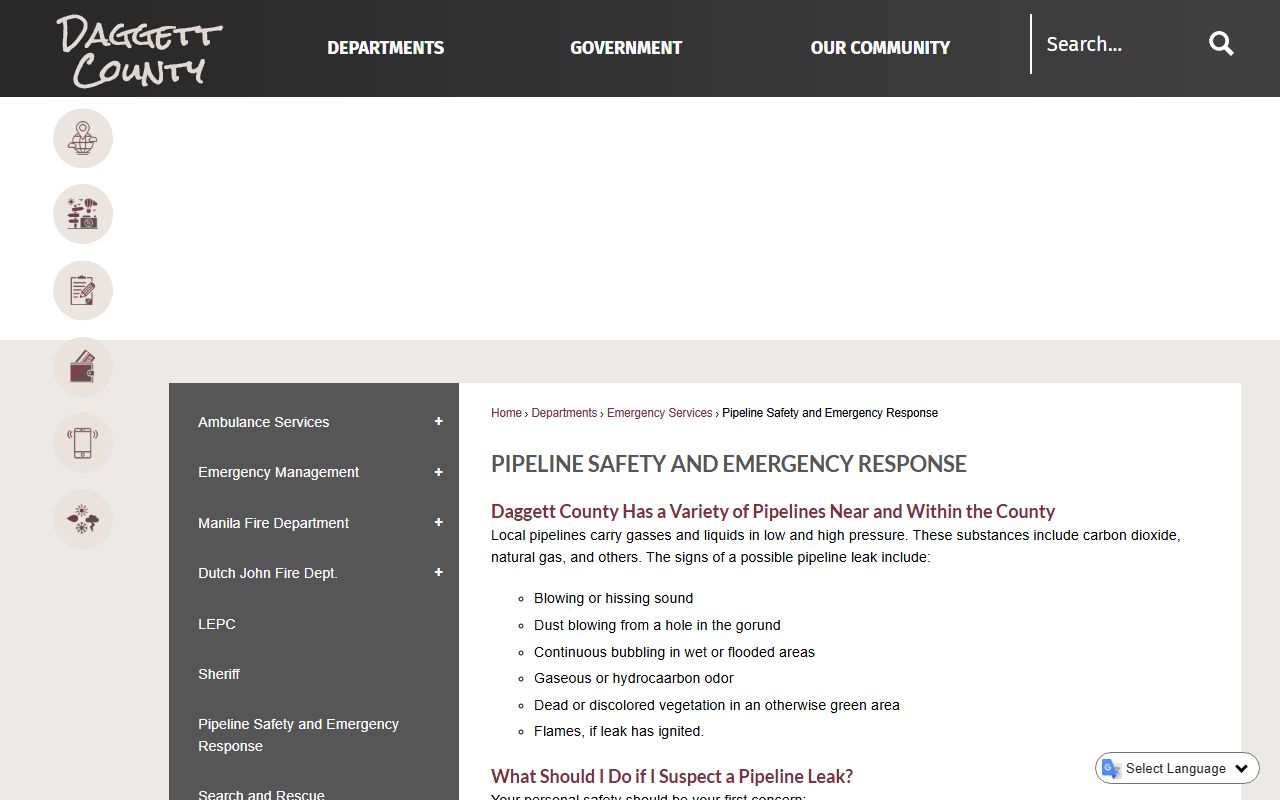
That page links the county's public safety work to the records side of the office. It is the right place to confirm contacts before you file a request or ask about an older report.
Daggett County Police Records Requests
Daggett County keeps its request path close to the sheriff's office, which makes the process easier to follow. The county's form center includes a GRAMA request form, witness statement form, dispatch contact form, corrections contact form, and other service links. The form center is useful when you need a paper trail, because it groups the main ways people reach county staff in one place. For police records, that means you can stay with one county system instead of guessing which office owns which document.
The records path becomes even clearer when you pair the form center with the county's GRAMA page. The county's request page at Daggett County GRAMA Requests is the right place to start if you need a formal public records ask. Use the county's request tools if you want a copy of a report, a response to a records question, or a way to document what you asked for. Daggett County's own office structure is small, so the records path tends to be direct.
If you are preparing a request, keep the details tight. The county is easier to help when you know the date, the people involved, and the type of record you want. A short, exact request is better than a broad one. If you have a case number, entry number, or incident date, include it. If not, use the sheriff's contact page and ask which form fits your need. That simple first call can save time later.
- Names of the people involved
- Approximate date and time
- Incident or case number, if you have one
- A phone number or email for follow-up
Use the county forms page at Daggett County GRAMA Requests when you want the county's own request path instead of a general email or phone call. It keeps the request in the right lane from the start.
The Daggett County GRAMA request page is shown below because it is the county's formal request route.
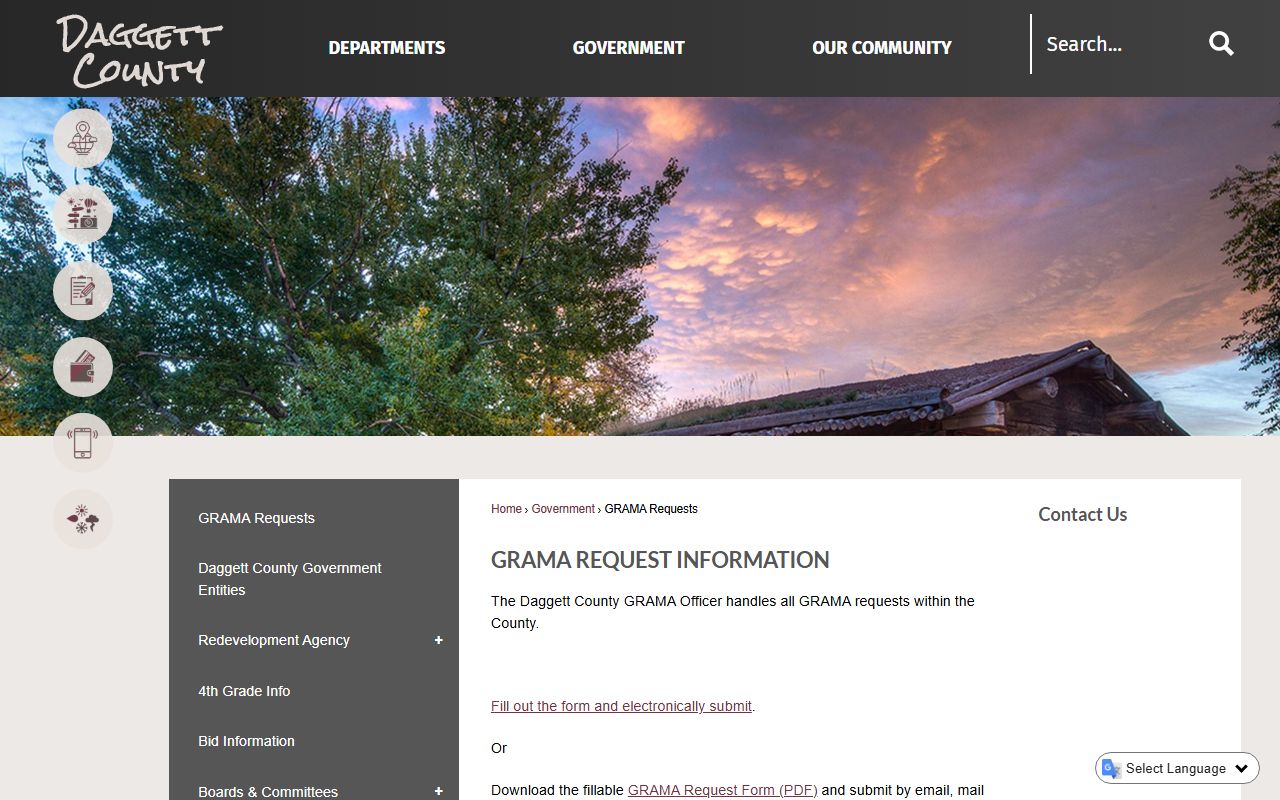
That request page is the county's public-facing route for records work, so it is the best place to start when you need a paper trail or want to check how the county handles access.
Daggett County Police Records and Official Files
Daggett County also keeps a separate official records system at Daggett County Official Records. That search works by entry number and requires a subscription to reach the files. It links to plat books, filed surveys, abstract books, and other county documents. That system is not the same thing as a police report database, but it can still matter when you are tracing a property issue, a boundary question, or a local matter that intersects with law enforcement work.
The official records page is valuable because it shows how Daggett County stores older or separate public files. In a small county, the line between a police matter and a county file can be thin. A road problem, property conflict, or long-running dispute may sit in one office while the related law enforcement note sits in another. If you are not sure where a record lives, the official records search can help you rule out one path before you spend time on another. That makes the county's request work cleaner.
Daggett County police records also sit in a wider state system. Utah GRAMA gives the basic rules for access, and the county follows that structure when it responds to requests. If you later need a court-side record or a statewide criminal history item, you can move to the Utah Courts site or Utah BCI. Keeping those layers separate helps you ask for the right file the first time.
The county's official records search at Daggett County Official Records is best used when your search needs an entry number or a county file outside the sheriff's office.
The Daggett County official sheriff page is shown below because it helps anchor the county's broader official records structure.
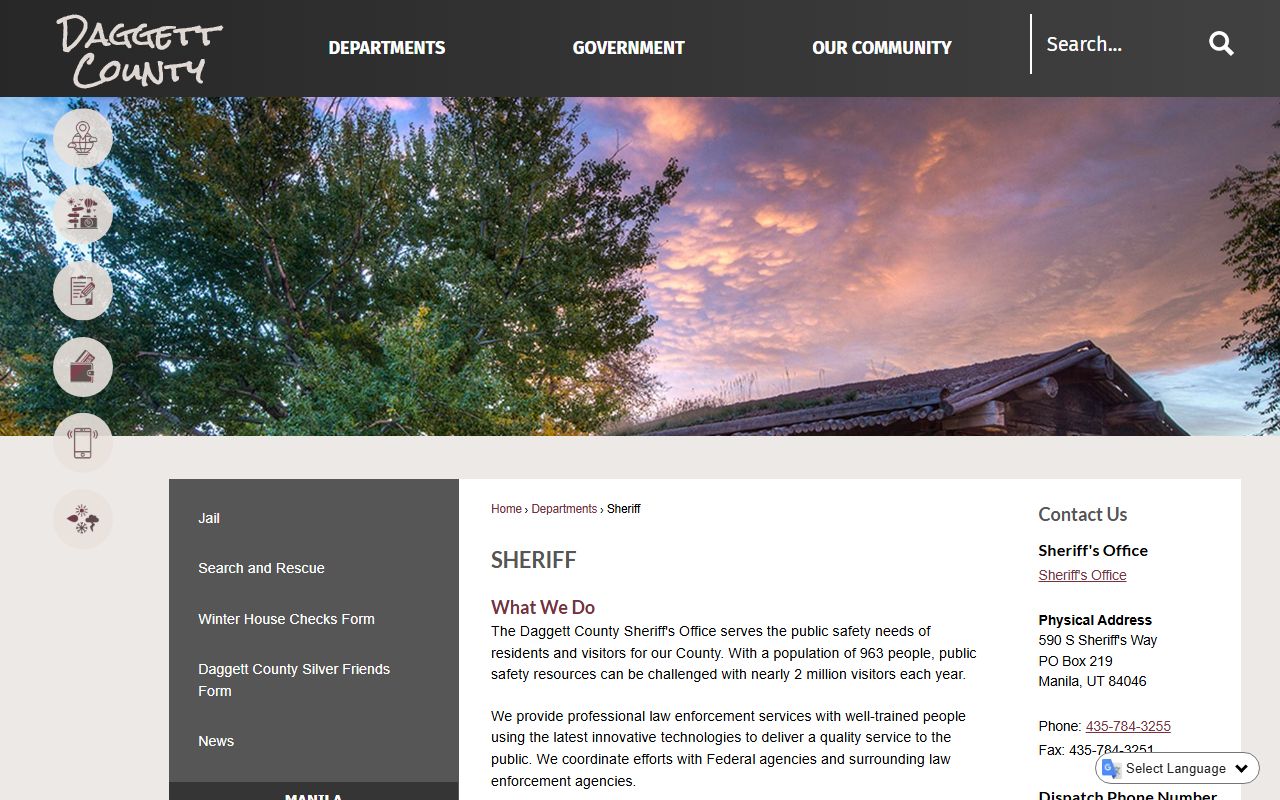
That official page helps anchor the county's records system. It is a good reminder that Daggett County police records are part of a broader county file structure, not just one form or one office.
Daggett County Police Records and GRAMA
Utah's records law comes from the Government Records Access and Management Act, which is set out in Utah Code Title 63G, Chapter 2. That law is the reason county police records have a public access path at all, and it also explains why some pieces can be withheld or redacted. In Daggett County, that means the sheriff's office and county records staff can point you to the right route, but they can also limit access when the law calls for it. The key is asking for a specific file and understanding that some parts may be protected.
If your search reaches the state level, the Utah Bureau of Criminal Identification can help with criminal history records, expungements, and status checks. The BCI criminal records page at BCI Criminal Records Services is useful when you need your own criminal history instead of a county incident report. If you are trying to see whether a record has been sealed or cleared, the Utah Expungement Status Portal gives another official route. Those state tools do not replace Daggett County police records, but they do sit beside them in Utah's public records system.
For court-side records, the Utah State Courts site at Utah State Courts can help you move from a county report to a related case file. If you are looking at older materials, the Utah State Archives can also matter because some records live there after they leave the local office. Those state sites make it easier to follow a record from the county to the court to the archive when needed.
Note: Daggett County police records requests are easiest when you keep the ask narrow and give the office enough facts to find the right file the first time.