
Search Cache County Police Records
Cache County Police Records are split between the sheriff's records section, the county jail tools, and the First District Court. If you need a booking note, an incident log, a current inmate list, or a court file tied to an arrest, this county gives you more than one way to search. The sheriff's office keeps a public counter in Logan and accepts requests by mail and email. The court in Logan keeps case files that can add the charge, arraignment, plea, and sentence history. This page puts the local steps in one place so you can move from a name to the right office fast.
Cache County Quick Facts
Cache County Police Records Office
The Cache County Sheriff's Office is the main local stop for many Cache County Police Records searches. The county says its mission is built around community protection, crime prevention, deputy safety, and professional service. That matters when you need a booking note, a jail status check, or a short report tied to an incident in Logan or a nearby town. The sheriff also keeps a blotter and a FAQ section on the main county site, which helps when you are trying to sort out where a record lives before you ask for a copy.
The records section is at cachecounty.org/sheriff. The office is at 1225 West Valley View Drive, Suite 100, Logan, UT 84321, with phone (435) 755-1000, fax (435) 755-1955, and email records@cachecounty.org. Public counter hours are Monday through Friday from 8:00 AM to 5:00 PM, not counting holidays. If you walk in, the staff can help you match a request to the right record type instead of sending you in circles.
The sheriff's page also points people to Who's Been Booked, the incidents blotter, and the current inmate list. Those tools are useful when you need a fast first look before you ask for a deeper file. They are not the same as a full incident report, but they can save time and tell you whether the county already has the name, date, or booking event you need.
The official county site at cachecounty.org is the broader home base for the office. It is also where you can check the FAQ pages, confirm office details, and see the county's public service language before you send a records request.
The Cache County sheriff office page is shown below, which is useful when you want to confirm the office name, the public menu, and the path to the county records tools.
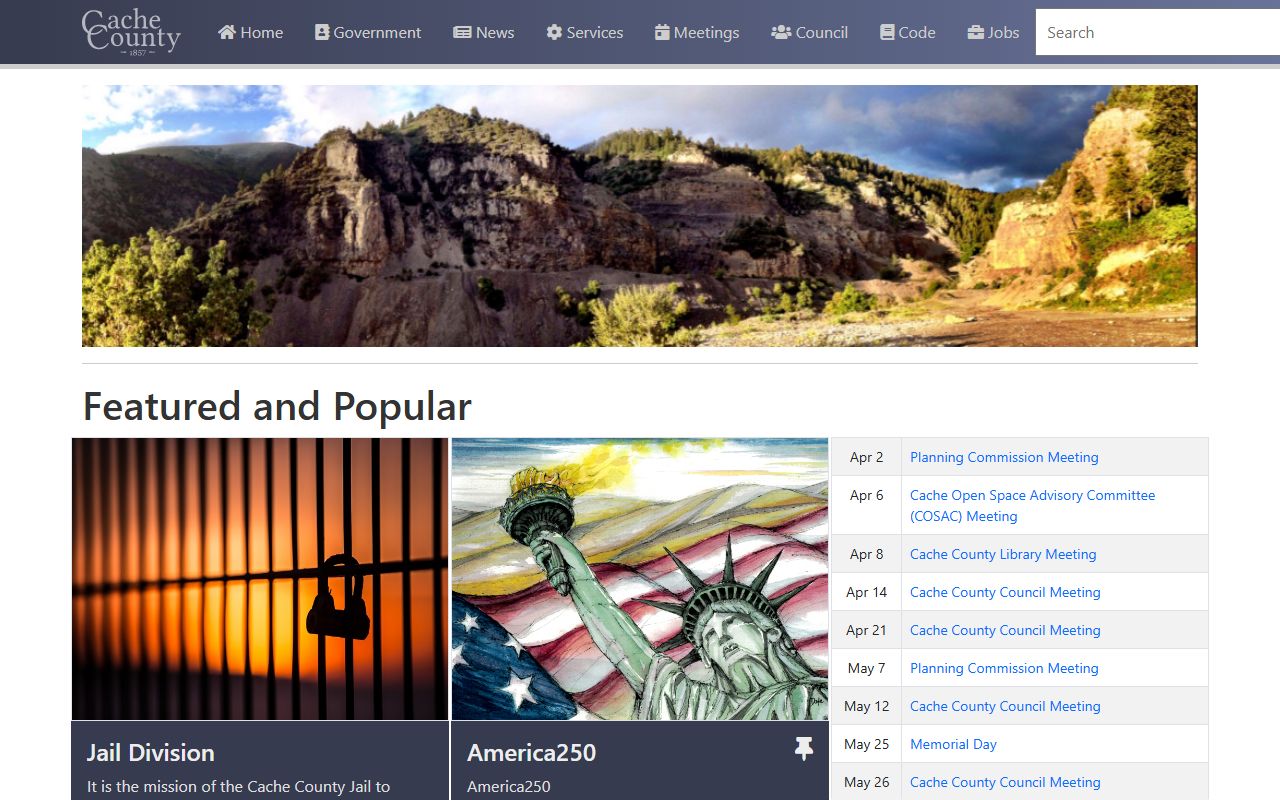
That page is the best starting point for Cache County Police Records because it connects the records counter, the jail tools, and the main county contact path in one place.
| Office | Cache County Sheriff's Office Records Section |
|---|---|
| Address | 1225 West Valley View Drive, Suite 100 Logan, UT 84321 |
| Phone | (435) 755-1000 |
| records@cachecounty.org | |
| Hours | Monday through Friday, 8:00 AM to 5:00 PM |
Cache County Police Records Requests
Cache County accepts GRAMA requests in person, by mail, and by email. That gives you a few ways to ask for Cache County Police Records, depending on how much detail you already have. If you are requesting a report, write down the date, the name, the location, and the kind of event you think the county logged. If you are after a booking note or inmate status, the sheriff's online tools can help you narrow the window before you send the request.
The county lists a search fee of $10, copy fees of $0.25 per page, and certified copies at an added $2. The office also says the usual response time is 10 business days, or 5 days if you can show an urgent need. That makes Cache County a fairly direct place to work if you are prepared. A short, clear request usually gets farther than a broad ask with no date range.
You can also use Utah's GRAMA law as the frame for your request. The statute at Utah Code 63G-2 explains the state's public-record rules and the appeal path if a county protects part of a file. In practice, that means you can ask for the record, wait for the county to review it, and then see what is released and what is redacted.
If you are writing the request yourself, keep the ask narrow. The records staff can work faster when the date, subject, and event type are clear. That is true for police reports, booking detail, and jail records alike.
Common request paths in Cache County include:
- Walk in at the records counter in Logan
- Mail a written GRAMA request to the sheriff's office
- Email the records section at records@cachecounty.org
- Check the sheriff's online booking and blotter tools first
Note: If the county needs time to review sensitive details, the response may take the full business-day window even for a simple police-records request.
Cache County Police Records and Jail Data
The jail side of Cache County Police Records is where many people start when they want to know whether someone was booked, when they were booked, or whether they are still in custody. The sheriff's office points to Who's Been Booked, the incidents blotter, and the current inmate list. Those pages are the quick view. They help you confirm the spelling of a name, the day a person came in, and whether the county is still holding the person at the jail.
That kind of search is useful when a call from the jail is not enough. You may be trying to verify a date for court, check if a report exists, or compare the local jail note with a court filing later in the week. Cache County keeps these records close to the jail and the records desk, so the path is pretty direct. If you need a record that is not on the web, the public counter can usually tell you which file to ask for next.
The sheriff's records tools are especially helpful when you only know part of the story. A blotter can show a recent event. A booking list can confirm the date. A current inmate list can confirm whether the person is still at the jail. That is often enough to decide whether you should ask for a report, a court file, or both.
When you need the official jail phone number or want to confirm a custody detail, the records section and the jail tools are both tied back to the same sheriff's office. That keeps the search local and avoids guessing at the wrong office in Logan.
The county's sheriff office is also a good fit for people who need a quick answer before they file a broader GRAMA request. You can use the online tools first, then ask for the exact record once you know what exists.
Cache County Police Records in Court Files
The court side matters when a booking or arrest moves into a criminal case. Cache County court files can show charges, arraignments, pleas, trials, verdicts, and sentencing. That makes the court record different from the sheriff's jail record. One tells you what happened at the jail or in the field. The other shows what the court did with the case after it was filed.
The First District Court for Cache County is at utcourts.gov/courts/1st/. The Logan address is 135 North 100 West, Logan, UT 84321, with phone (435) 750-1300. The court keeps case files and notes that Utah State Courts XChange public case search is available. That search can help you trace a case number or confirm that a filing is tied to the arrest you are researching.
The First District Court page below is useful when you want to see the official judicial side of Cache County Police Records. It helps connect a local arrest or charge to the court that handled the case.
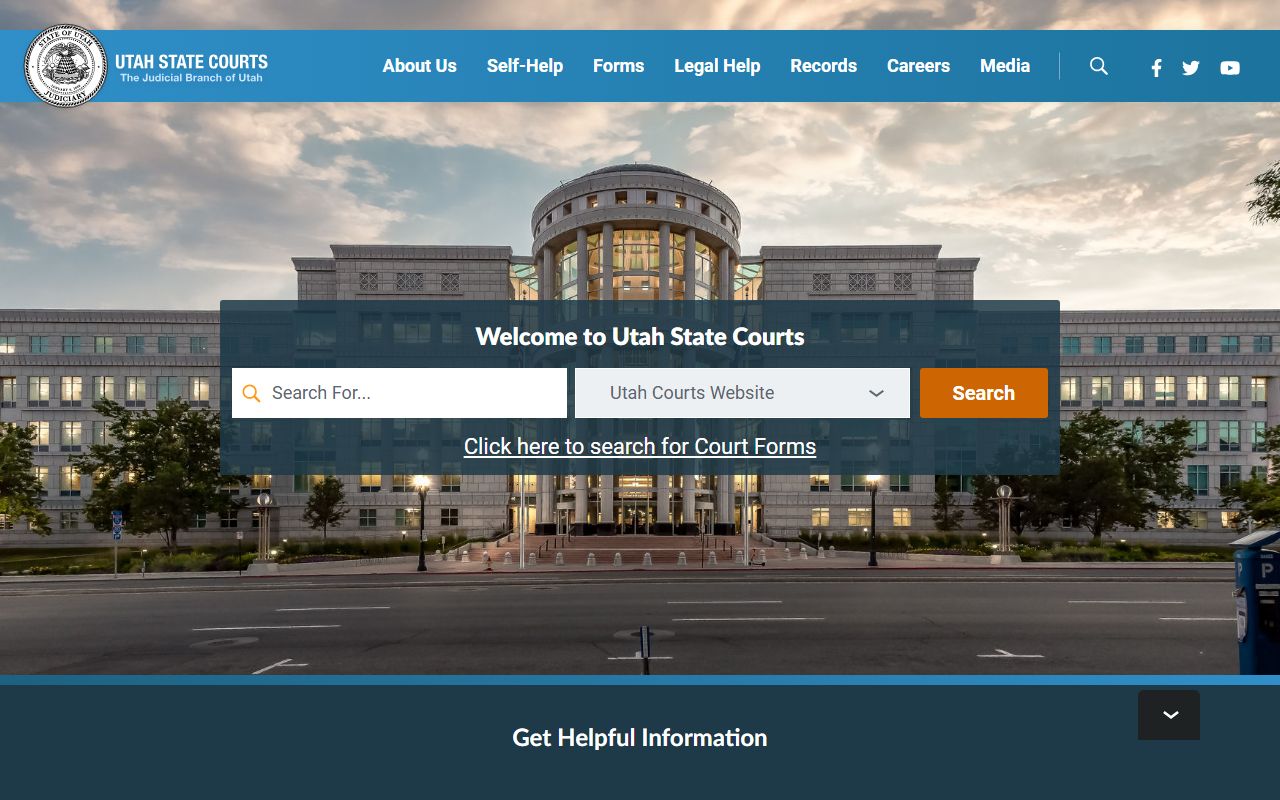
That statewide court resource is a clean follow-up to the county sheriff records page because it shows where the case file lives once the arrest turns into a court matter.
Most people need both sides. The sheriff page helps with the booking and the jail status. The court page helps with the charge, the hearing, and the final case result. If you only check one, you can miss part of the story.
Utah Help for Cache County Records
When you need statewide support, Utah gives you a few strong official tools. The Bureau of Criminal Identification at bci.utah.gov is the state's criminal-history hub. It handles criminal records, record challenges, expungements, and the expungement status portal at expungementstatus.utah.gov. If a Cache County arrest later needs a state-level record check or cleanup step, those pages are the right next stop.
The criminal-records page at bci.utah.gov/criminal-records/ is especially useful when you want to see how Utah handles a person's own history record. The expungements page at bci.utah.gov/expungements/ explains how sealed or deleted records move through the state system after a court order. That matters when a county search ends with a filing that should no longer stay open to the public.
For older court material, the Utah State Archives at archives.utah.gov can help you understand where records moved after they left the courthouse. That is useful if you are tracing an older Cache County matter and the local office tells you the file is no longer in the active cabinet. The archive side is slower than a sheriff search, but it can save time when a case is old and the county no longer keeps the whole packet on site.
If you are comparing a county arrest to a state record, start with the sheriff, then check the court file, and then use BCI if you need a statewide follow-up. That sequence keeps your Cache County Police Records search tidy and avoids using the wrong office for the wrong task.
Note: Cache County's local tools are strongest for recent incidents, while Utah's state tools are better for history, sealing, and record review after the case moves beyond the county desk.